211: Get help. get connected.
A free, confidential resource for rhode islanders
why call?
211 can connect you with housing, food, affordable childcare, and much more.
- 211 is a free, confidential service.
- Your call is answered by a trained professional.
- One call connects you with the appropriate resources you need in your community.
- It is efficient, fast and easy to use.
- No more wrong numbers or wasted time trying to find the right resource.
- It is always there for you—24 hours a day, 7 days a week, 365 days a year.
- Translation services available in many languages.
Police, fire or medical emergency? Call 911.
Not sure whether to call? These are just some of the ways we can help...
- Afterschool programs
- Childcare
- Pantries
- Soup kitchens
- Delivery if you’re homebound
- Alcohol and drug addiction treatment (See opioid addiction recovery information)
- COVID-19 testing
- Depression counseling
- Gambling addiction treatment (Wonder if your gambling is an addiction? Try our screening tools)
- Health insurance
- Avoiding eviction
- Place to stay tonight
- Rent/mortgage assistance
- Electric, gas, heat payments (Learn more about the Good Neighbor Energy Fund)
- Program information
- Free or sliding scale legal assistance
- General legal services
- Free tax preparation (Learn more about Volunteer Income Tax Assistance)
- Ride options
- Transit information
- Comprehensive veteran assistance
- Medical assistance
- Cyber bullying
- Domestic violence
- Identity theft (Learn more about cybercrime)
All this and much more for adults over 55 or with disabilities via Point. Point is the state's healthy aging helpdesk. Learn more about Point.
Unite Rhode Island Self-Referral Form

United Way of Rhode Island and CVS Health Foundation are working together to help those impacted by the opioid crisis. Our goal is to connect Rhode Islanders with treatment resources, increase addiction awareness, and find options that work.

The Brief Biosocial Gambling Screen (BBGS) is a 3-item survey designed to help people evaluate their need for a formal gambling behavior evaluation. The BBGS is based on the American Psychiatric Association's Diagnostic criteria for pathological gambling.
In accordance with federal civil rights law and U.S. Department of Agriculture (USDA) civil rights regulations and policies, this institution is prohibited from discriminating on the basis of race, color, national origin, sex (including gender identity and sexual orientation), religious creed, disability, age, political beliefs, or reprisal or retaliation for prior civil rights activity.
Program information may be made available in languages other than English. Persons with disabilities who require alternative means of communication to obtain program information (e.g., Braille, large print, audiotape, American Sign Language), should contact the agency (state or local) where they applied for benefits. Individuals who are deaf, hard of hearing or have speech disabilities may contact USDA through the Federal Relay Service at (800) 877-8339.
To file a program discrimination complaint, a Complainant should complete a Form AD-3027, USDA Program Discrimination Complaint Form which can be obtained online at: https://www.usda.gov/sites/default/files/documents/ad-3027.pdf [usda.gov], from any USDA office, by calling (833) 620-1071, or by writing a letter addressed to USDA. The letter must contain the complainant’s name, address, telephone number, and a written description of the alleged discriminatory action in sufficient detail to inform the Assistant Secretary for Civil Rights (ASCR) about the nature and date of an alleged civil rights violation. The completed AD-3027 form or letter must be submitted to:
- mail: Food and Nutrition Service, USDA 1320 Braddock Place, Room 334 Alexandria, VA 22314; or
- fax: (833) 256-1665 or (202) 690-7442; or
- email: FNSCIVILRIGHTSCOMPLAINTS@usda.gov
This institution is an equal opportunity provider.
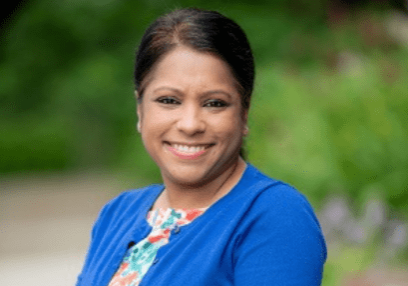
Five Questions With: Roshni Darnal
Providence Business News
Roshni Darnal is the director of community investments for United Way of Rhode Island... where she manages the organization's strategic direction to address the needs of Rhode Islanders through its grantmaking processes… Darnal spoke with Providence Business News about those grantmaking changes and what it means for the nonprofit community moving forward.

FCARI: Prescription Delivery Services for Seniors
According to the Kaiser Family Foundation, 89% of adults 65 and older take prescription medicine. For seniors who have mobility issues or are unable to leave their homes to go to the pharmacy, using a prescription delivery service is a simple solution.
This resource provides seniors and their caregivers with the top prescription delivery services, information on financial assistance options, and guidance on choosing the best service for their specific needs. Learn more at: www.caring.com/best-prescription-delivery-services/
PBN announces 2023 Best Places to Work honorees
Providence Business News
Sixty-seven honorees, including United Way of Rhode Island, have been named by Providence Business News for its 2023 Best Places to Work Awards program... The honorees will be recognized June 7 for their efforts in a ceremony at Crowne Plaza Providence-Warwick in Warwick, where the company rankings in each category will be announced.
United Way Accepting Applications for Providence Equity Fund
In collaboration with the City of Providence and aligned with its mission to build racial equity and opportunities for all Rhode Islanders, United Way has issued a request for proposal (RFP) for the Providence Equity Fund grant program. Available funding is to support strategies that promote racial and social equity, economic mobility, and educational opportunities for underserved populations in Providence.
United Way Hosts 12th Children’s Book Drive
United Way of Rhode Island’s Children’s Book Drive is back! In April and May, we’re teaming up with Books Are Wings to help Rhode Island children build their own libraries at home. Join us by buying and shipping books, dropping off books at one of our collection sites, or hosting a drive.
United Way Selects Leaders for Executive Director Learning Circle
Laser-focused on its work to support the needs of the state’s nonprofit community… United Way of Rhode Island has kicked off its latest Executive Director Learning Circle. The organization has selected 11 local nonprofit leaders to participate in the yearlong program that focuses on strategic development and increasing their organizations’ capacity to deliver their social impact work.
UPCOMING EVENTS
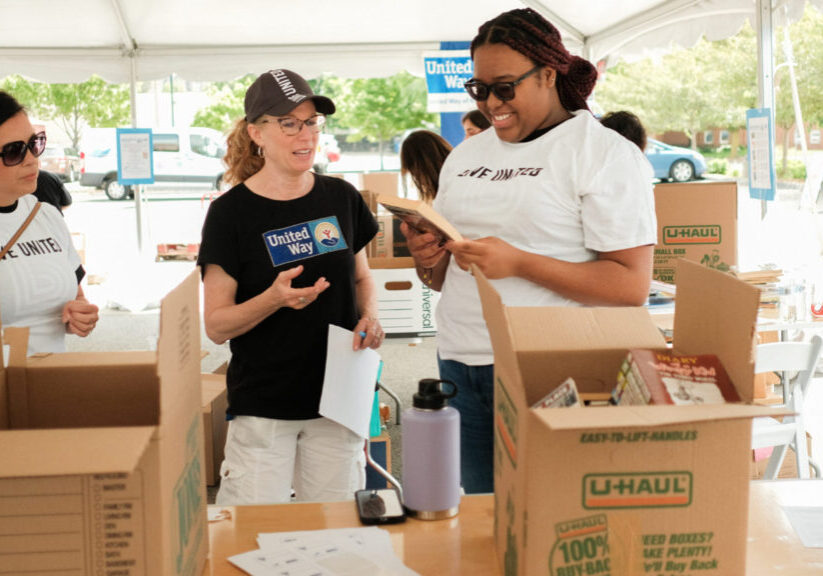
Day of Action
June 8, 2024
9 a.m. - 3:30 p.m.
Join us at United Way of Rhode Island to sort and label donated children's books!
50 Valley Street, Providence, RI 02909
Morning shift | 9 a.m. - 12 p.m.
Afternoon shift | 12:30 - 3:30 p.m.
United Way LIVE UNITED t-shirts and refreshments will be provided.

Equity Challenge 2024
June 19 - 27, 2024
Over the course of 7 days, employees throughout the state of Rhode Island will have the opportunity to participate in various activities, each designed to broaden perspectives and inspire meaningful conversations while demonstrating an individual and/or organizational commitment to equity.
Registration link coming soon.
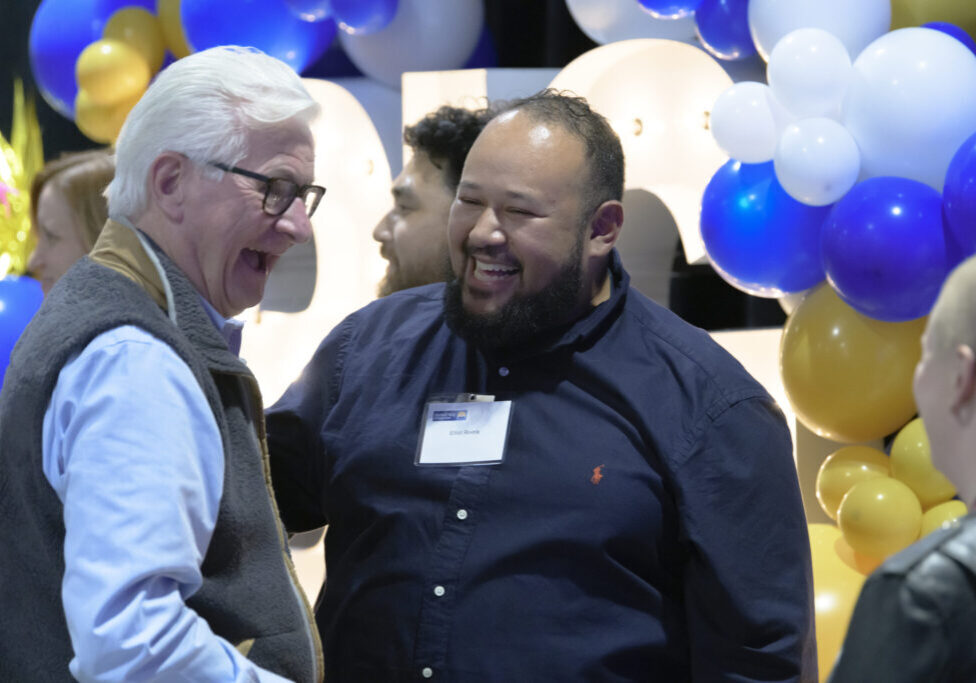
Annual Celebration 2024
Save the date!
Thursday, October 10
6 - 8 p.m.
Waterfire Arts Center
475 Valley St., Providence